Blog
Discover our latest articles and blogs
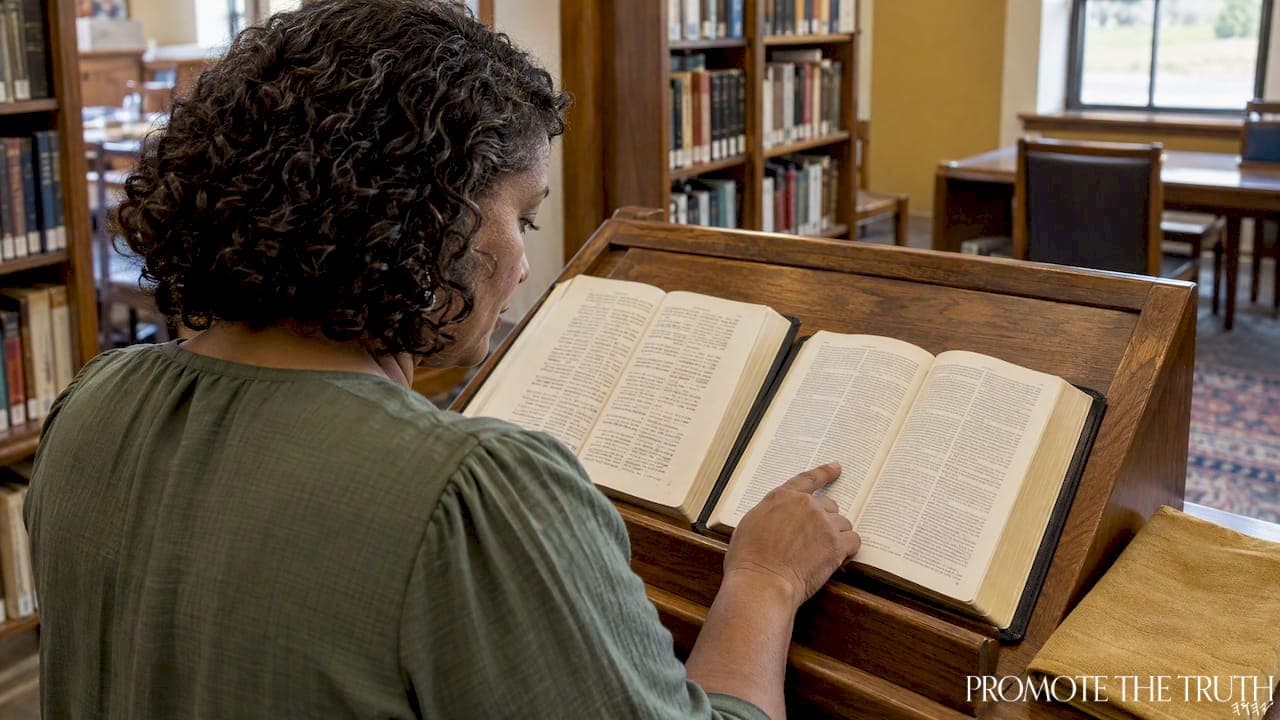
How to Restore English Bible Names: A Reader's Guide
What it means to restore names in an English Bible, why names took their forms, and how to judge restored-name translations by the evidence.

Abariy (Hebrew) Manuscripts for Beginners: A Practical Guide to Reading Ancient Scriptures
Learn how to read Hebrew manuscripts step by step, from the Hebrew alphabet and Paleo-Hebrew script to vowel points, Masoretic codices, & real manuscript images
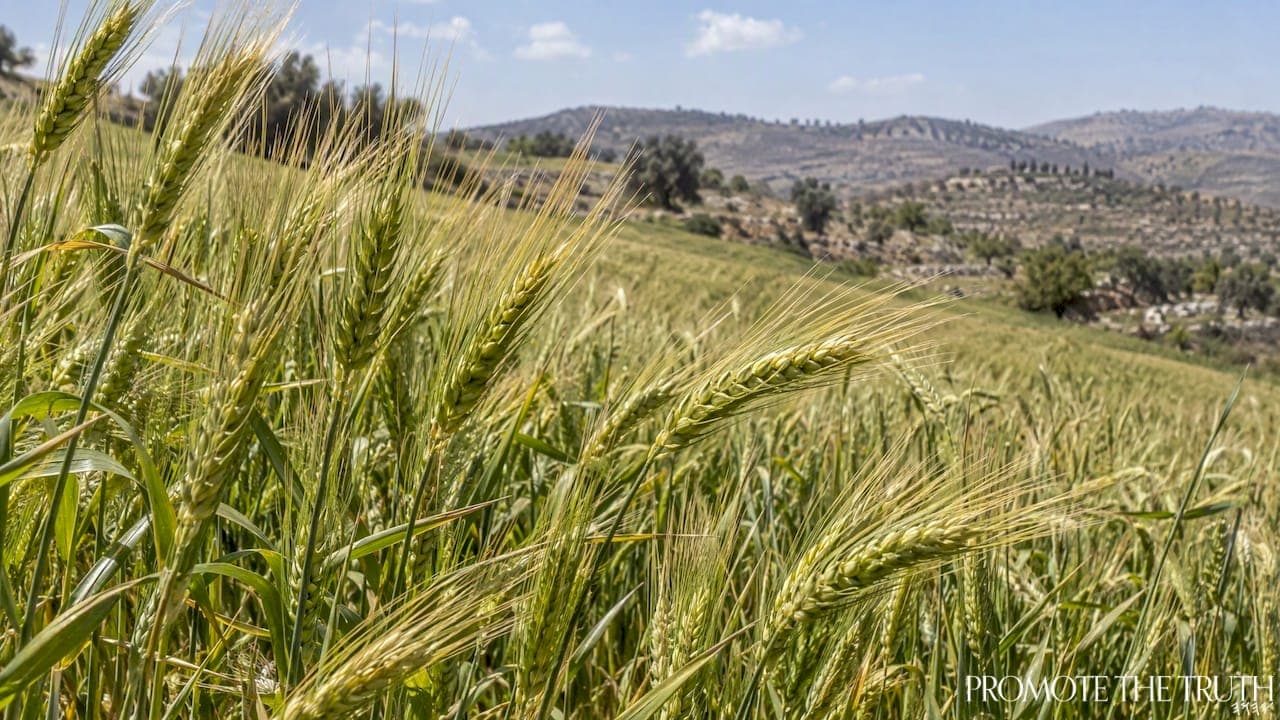
Abiyb (Aviv) Barley and the Calendar: How Ripe Grain Marks the New Year
How Abiyb (Aviv) barley sets the start of the Scriptural (biblical) year: what the word means, the ripeness stage, the 13th month, and how dates compare.

The Early Assembly (Church) and Its Abariy (Hebrew) Roots: What Scripture and History Reveal
Did the first believers live the Hebrew Roots way? See the early church's Jewish setting, what Acts 15 decided, and how to study the manuscripts yourself.
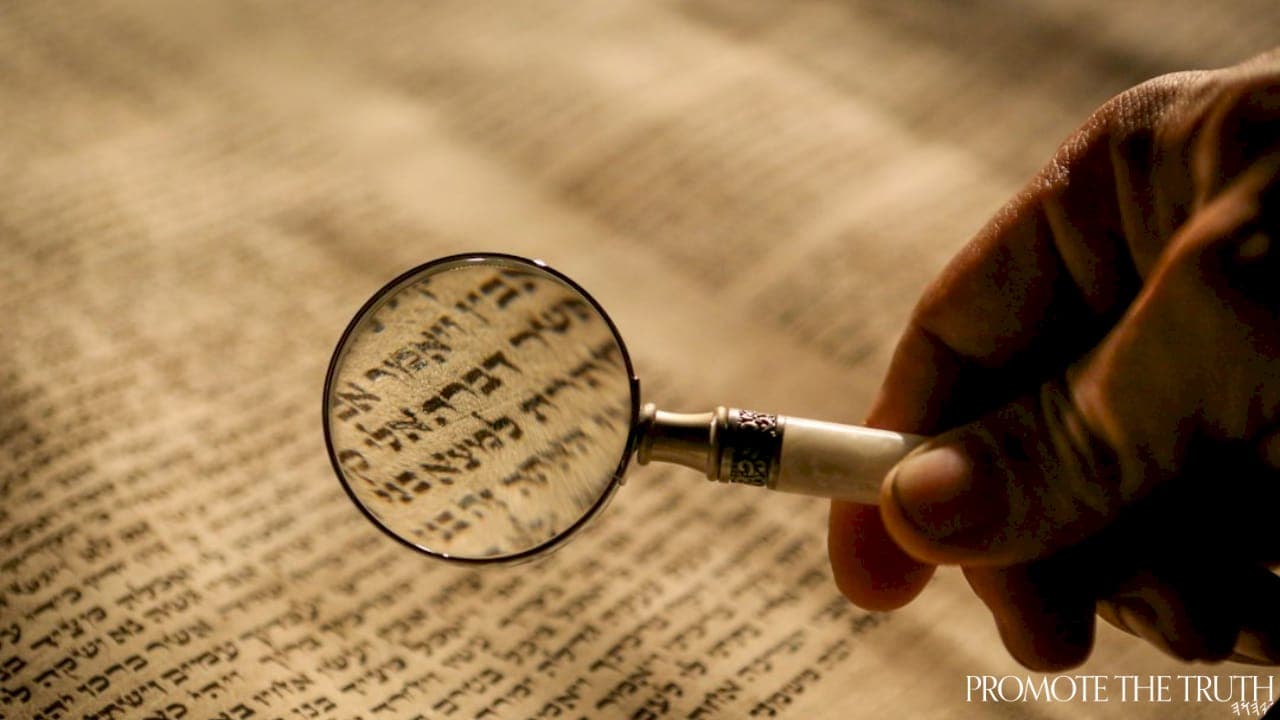
Septuagint Quotes in the Bariyt Hadash (New Testament): What the Evidence Shows
Which Bariyt Hadash (New Testament) quotations follow the Septuagint, where they differ from the Abariy (Hebrew), and how to study them with care.

The Set-Apart (Divine) Name YAHUAH in the King James Version (KJV): Where It Appears and Why It Was Replaced
See exactly where the King James Bible prints the divine name, why LORD stands in its place, and how to study the Name YAHUAH in Scripture for yourself.

Why Restore the Name? The Case for YAHUAH in Scripture
Why do readers want the Name restored in Scripture? Follow the history from what scholars say, and what a restored-Name translation does.

Calendar Controversies in the Scriptures (Bible): What Does the Evidence Reveal?
Explore Scriptural calendar controversies, from the lunisolar calendar and 14 Nisan vs. Easter to sighted New Moons and YAHUAH’s Appointed Times.
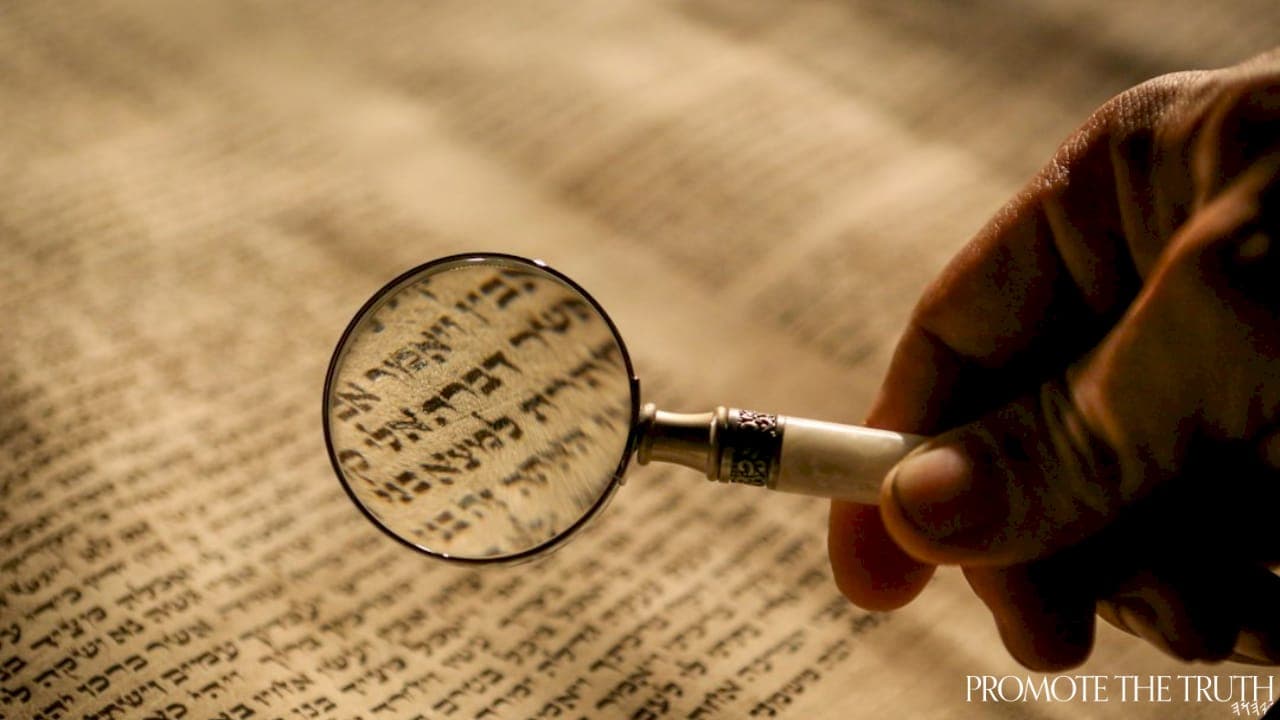
The Set-Apart (Divine) Name in the Bariyt Hadash (New Testament): What the Manuscripts Show
Is the Name in the New Testament? See what the Greek manuscripts contain, where YAHUAH survives, and why the question matters for Scripture study.